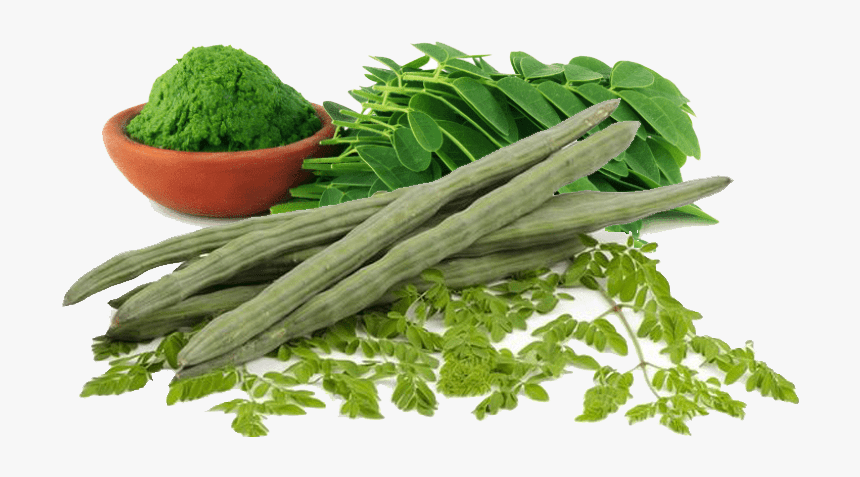
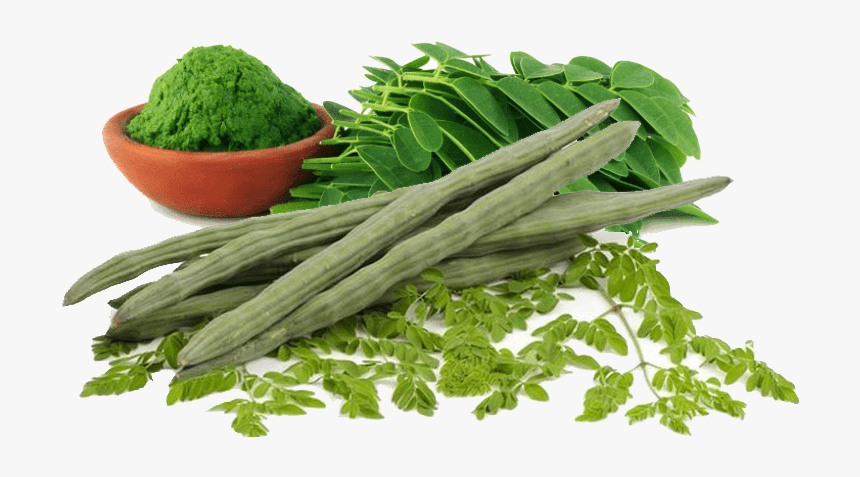
The term superfood describes a nutrient-rich food considered to be especially beneficial for health and well-being and Moringa is considered one of them. It is the superhero of the plant kingdom. It is native to the foothills of Himalayas but a surge in awareness about its benefits has increased it cultivation area as well. Moringa is being cultivated throughout India and in other tropical and sub tropical regions. India is one of the largest producer of moringa and its cultivation is rapidly increasing in Asia and Africa. The tree itself is a great package for mass cultivation. It grows really quickly, is drought tolerant and the most impressive thing about it is that each and every part of moringa is full of nutrients and can be used or consumed for various purposes.
With rising cases of COVID- 19 disease across the world, boosting the immune system has become a major priority for the people. Moringa is rich in Vitamins A, C, E, protein, iron, calcium, potassium, phytochemicals, and fibre making it a perfect aid in boosting one’s immune system.
The Moringa tree, along with giving us vegetable, also provides medicinal value as well. Every part of the tree can be consumed; leaves and young fruits as food; and the seeds, bark, flowers, leaves and roots as medicine.
The leaves are highly nutritious. Once harvested and dried, the powder contains 30% protein, all essential amino acids, and have abundant levels of vitamins and minerals.
List of major nutrients Moringa contains many healthful compounds such as:
| vitamin A | vitamin B1 (thiamine) | folate and ascorbic acid (vitamin C) |
| B3 (niacin), B-6 | B2 (riboflavin) | calcium |
| potassium phosphorus | iron zinc | magnesium |
Moringa has many benefits and wide range of uses- from health and beauty to helping prevent and cure diseases.
Benefits of Moringa-
1. Protecting and nourishing skin and hair
Moringa seed oil protects hairfall and keeps them clean and strong. It also contains hydrating and detoxifying elements, which also boost the skin and hair. Medically, it has potential to cure skin infections as well.
2. Treating stomach complaints and improves digestion
Moringa extracts might help treat some stomach disorders, such as constipation, gastritis, and ulcer. The antibiotic and antibacterial properties of moringa may help inhibit the growth of various pathogens, and its high vitamin B content helps with digestion.
3. Protecting the liver
Moringa appears to protect the liver against damage caused by anti-tubercular drugs and can quicken its repair process.
4. Preventing cancer
Moringa extracts contain properties that might help prevent cancer. It also contains niazimicin, a compound that suppresses the development of cancer cells.
5. Making bones stronger
Moringa also contains calcium and phosphorous in good quantity, which help keep bones healthy and strong. Moringa extract might also help in treating arthritis and may also heal damaged bones.
6. Treating diabetes and Asthma
Moringa helps to reduce the amount of glucose in the blood, as well as sugar and protein in the urine. This improves the hemoglobin levels in the body. Moringa may help reduce the severity of some asthma attacks and protect against bronchial infections. It has also shown to assist better lung functioning and breathing overall.
7. Protecting against kidney disorders
Moringa has high levels of antioxidants that might aid toxicity levels in the kidneys adnd reduce the risk of stone development in the kidney, bladder or uterus.
8. Reducing high blood pressure and improves cardiovascular system
Moringa contains isothiocyanate and niaziminin, compounds that help to stop arteries from thickening, which can cause blood pressure to rise. It also helps increase RBC count in the blood. The powerful antioxidants found in Moringa extract might help prevent cardiac damage and has also been shown to maintain a healthy heart.
9. Improves eye-sight
High antioxidents in Moringa help improving eyesight. Moringa may stop the dysfunction and dilation of retina and prevent the thickening of capillary membranes.
-Surbhit Godha
References-
3. https://www.sciencedirect.com/science/article/pii/S1995764516307143
4. https://www.sciencedirect.com/science/article/pii/S2213453016300362
5. https://www.ncbi.nlm.nih.gov/pmc/articles/PMC58727
6. https://onlinelibrary.wiley.com/doi/epdf/10.1002/ptr.2023
 vardhmanagrofresh.food.blog
