Featured

Loss Situation of Onions- Potential for cold storages to stabilize prices

THE SCENARIO

Onion is an important commodity which is grown worldwide for culinary as well as medicinal purposes. India is the second-largest producer of onion after China. Within India, Maharashtra and Madhya Pradesh produce more than 50% of the onions. However, the bulk handling of onions is poor in India with losses of fresh onion in storage exceeding 30-35%.

Firstly, explaining the harvest cycle of the onions- 60% of the onions are harvested during Rabi season i.e. during March-April. These harvested bulbs are of superior quality and have great storage capabilities. The same crop comes in the market till September-October. However, what we see is increased prices with each passing month which are done to cover the losses during storage, done in traditional way in temporary or semi-permanent structures where onions are kept in heaps or placed in multiple levels. After this period, Kharif crops hit the market in October- November. These onions are generally smaller in size and are of low quality, hence poor at storage. But due to lesser supply than Rabi harvest, these onions still fetch better prices in the wholesale mandis.

THE ISSUES

Issues during harvesting

The supply chain includes- Cultivation, harvesting, storage, transportation, wholesale market, retail market and finally consumption. The onions are harvested during April month and are left to be cured in the field till the stems dry out. Then, stems are cut and onions are sorted based on size and quality. With primitive traditional techniques still prevalent in India, the harvesting and post-harvest phases face major losses, up to 40%. Due to poor cutting techniques and lack of training, the stem gets cut near the top of the bulb or at a premature stage and hence making it susceptible to attacks from fungus-like black moulds, bacteria and other surface injuries during storage.  

Cultural and Social Issues

The storage of onions is majorly done in traditional manner. Small scale farmers store the onions in semi-permanent or temporary structure in heaps with natural ventilation or no ventilation. Many new innovative methods have been tried by farmers around India where they have introduced forced ventilation between the stacks of onions in order to increase the airflow and maintain the relative humidity which initiates dormancy. Under the Mission for Integrated Development of Horticulture, the Union Ministry of Agriculture provides grant for low cost storage structures (conventional storage structures) of 25 tonnes capacity This method of storage reduces the overall losses by 5-10% but the farmers still face losses after a month of storage. These can be further minimised by small cold storage units. Spoilage can be brought down to 2% with this shift. The ideal RH at which onions should be stored is 65-75% at 0-2 degrees C. There is a lack of knowledge about these storage methods and the science behind the crop storage, a lot of the farmers don’t apply correct storing methods and end up losing their harvest. There is also a lack of knowledge about benefits of cold storages and having interacted with many farmers myself, they believe that onion cannot be stored in cold environment. In reality, in typical cold storage with dehumidifiers and ventilation, onion can be stored at 0-2 degree Celsius for 6-8 months with losses limited to 2-3% as the onions become dormant at such low temperatures. But, due to high storage costs in cold storage and uncertainty in the market prices, the onion growers are reluctant to make changes in their operation methods and therefore the cold storage of onions has not been developed properly.
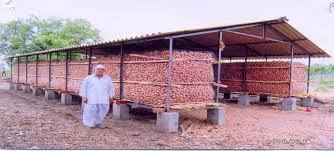
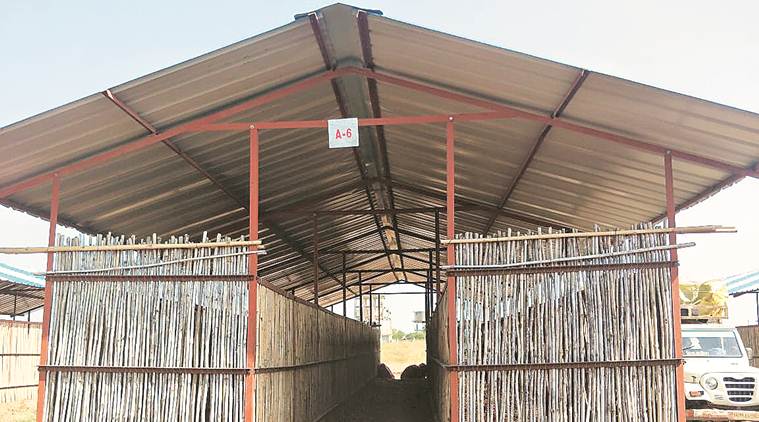
Conventional Onion Storage method

THE DEMAND-SUPPLY IMBALANCE

In India, Rabi harvest is always in surplus, which leads to imbalance in the supply-demand ratio leading to plummeting market prices, with prices going as low as 2rs/kg in the wholesale market. And with low and poor storage units available, farmers are forced to sell at lower prices. If they decide against selling at lower prices, they have to bear heavy losses up to 30-40% in the coming months due to poor storage conditions and harsh external environment – rains, high humidity and extreme weather causing a lot of damage. The onions come in contact with the oxygen in the environment and become non-dormant in nature leading to stem growth, reducing the size of the bulb. They also become unappealing during sales. Or high moisture in the air cause increase in the growth of fungus, bacteria among other deformities.

SOLUTION

The losses can be prevented with the help of government but government policies in place are not good enough. Government subsidy schemes available are in favour of constructing high volume cold storages. These are not viable for small scale farmers. The need is to provide subsidies on small scale cold storages: 10-500 tonnes which the farmers can place in their own premises.. In extra efforts, the government should develop state-owned large scale cold storages with de-humidifiers for farmers in the onion growing belts so they can use for storing their produce on rent basis. This way the demand and supply of onions can be kept in check and the farmers can reduce their losses and avail better prices for their harvest in the market.
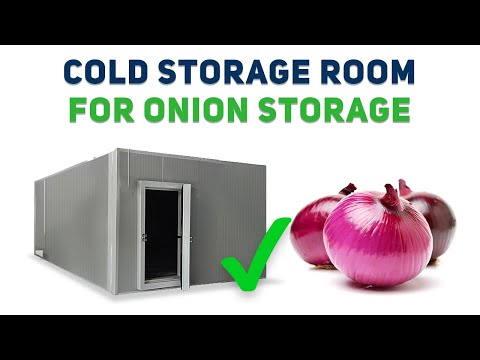
Small scale cold rooms for onion storage

Another issue with policymaking is the absence of a minimum selling price (MSP) assigned to the perishable and non-perishable crops. The traders take advantage of this and force farmers to sell their produce for a lower price or worse, farmers abandon their crop in the fields without harvesting as prices nosedive, becoming unviable for them. Although the government has set up a PSF- Price Stabilization fund to purchase highly volatile staples like onions during the tough period at a fixed price from farmers, it isn’t very effective because the government is unable to store the purchased onions properly (due to lack of cold storages) and face heavy losses. One such example- Madhya Pradesh government had to procure onion at Rs 800 per quintal, which was later disposed off at Rs 2-4 per quintal. In the process, the state government suffered a loss of Rs 785 crore. The government agencies purchased  57,372.90 tonnes but due to poor storage conditions, 30,672 tonnes of onion were wasted.

So, overall, for a long-term solution, the government should challenge scientific institutions to come up with cost-effective cold storage technology for the farmers and make amendments to the policies in order to teach farmers about better post-harvest management, provide subsidies to small scale cold storage units, develop better policies like MSP- minimum selling price on perishable and semi-perishable commodities like they have MSP on exports of onions to improve the drastic fluctuation in the prices of onions.

-Surbhit Godha

Vardhman Agrofresh

References

1. https://economictimes.indiatimes.com/news/economy/agriculture/a-problem-of-plenty-indias-onion-mess/articleshow/71546979.cms?from=mdr

2. https://theprint.in/opinion/how-india-can-ensure-onions-are-all-through-year-at-good-price/334477/

3. https://www.icar.org.in/content/onion-cold-storage-potential-stabilize-price-fluctuation-0

4. Dr P. C. Tripathi, ONION STORAGE IN INDIA- A SURVEY REPORT, NRC Onion & Garlic Rajgurunagar, 2004, url- https://www.researchgate.net/publication/303802820_Onion_storage_in_India_-A_survey_Report-_Bulletin.

5. https://thewire.in/agriculture/onion-crisis-price-rise-storage.

6. https://economictimes.indiatimes.com/news/economy/indicators/to-rein-in-rising-inflation-government-to-set-up-a-price-stabilisation-fund-for-key-staples/articleshow/73842022.cms?from=mdr 7. https://rkvy.nic.in/Uploads/SucessStory/MAHARASHTRA/2016/2016125851Onion%20Storage%20Structure%202014-15.pdf

Featured

NEED FOR COLD STORAGE AND FOOD PROCESSING UNITS IN MADHYA PRADESH

India is amongst the top 2 producers of fruits and vegetables and is only behind China. But nearly 50% of the harvested crops are thrown away in the landfills due to spoilage. There are multiple reasons for the spoilage- mainly the farming practices, poor harvesting and post-harvest management techniques but a good chunk of wastage is due to the poor storage conditions and lack of knowledge amongst farmers. Especially in Madhya Pradesh, where farmers grow crops like onions, garlic, wheat, soybean, tomatoes etc. face a lot of issue with safe storage, due to which they have to sell their products for less amount as otherwise it will be spoiled. India has seen a surge in the food processing industry in recent times. Almost every state has started coming up with their own policies to initiate and grow the food sector. States like Gujarat, Maharashtra, Punjab, Karnataka are at the forefront in adding value to the food sector through their developed policies, infrastructure and government support. Madhya Pradesh, who is the top producer of tomatoes, onions and garlic too has started coming up with ways to support the entrepreneurs in food processing and cold chain sector.

Madhya Pradesh is a top grower of onion, garlic and tomatoes along with wheat (Sehore wheat is considered premium quality wheat). Every year we read the news of price hikes in the market during the offseason while also read the news of farmers throwing away their precious produce just as they couldn’t fetch good prices for it and storing them was not feasible. Commodities like tomato, onion, potatoes and garlic go through heavy fluctuation in wholesale and retail prices every year varying from Rs5–6/ kg wholesale to Rs20/kg. This not only effects the farmers but also the end customer.

There is a high potential for food processing of these crops just like wheat in MP. Moreover, these commodities can be stored for long periods in the controlled atmosphere cold storage as well which will help farmers to store them until they can get a good price for the harvest. There are a lot of warehouses in MP which cater to grains and pulses and some cold storages which cater to storing potatoes only as they are temperature controlled only. There is a need for multi-chamber controlled atmosphere cold storages which control oxygen, carbon dioxide, and most importantly, ethylene to go with humidity and temperature which will help crops like onions, garlic, lemon, tomatoes keep fresh during their storage period and increase the shelf life.

Another area of focus is the value addition and processing of f&v which will not only reduce wastage but increase profits well. The product can be sold for a much higher price in the market. Vardhman Agrofresh, an organisation based in Bhopal, MP is coming up with a CA cold storage- food processing facility for tomatoes and mangoes. The facility is fully equipped with automated machines and will store all major fruits and vegetables grown in Madhya Pradesh. It is one of the first controlled atmosphere cold storage in MP and will let the farmers rent space for storing their precious harvest until they can fetch a better price. Other major crops like potatoes are already being processed heavily for chips and fries etc. Some niche products should be considered as well, such as hummus which is made by chickpea paste. Or soya bean nuggets, soya milk etc. have great demands in the foreign markets as well.

There is huge potential in this sector as over 10 lac MT of raw material available in the state and with good highway connectivity, the finished products can be easily supplied to nearby states like Jharkhand, Rajasthan, Gujarat, Chattisgarh, Maharashtra and MP itself. Proper measures and systematic planning by government and influential people is required to initiate the process and develop clusters for food processing in different regions of Madhya Pradesh. This way, farmers will be able to increase their income and sell their harvest with ease. Simultaneously, due to the abundance of raw material, the industrialists will be able to process the material more efficiently and sell in the market at a competitive price.

This way economic condition of the state will improve further and job creation will increase as well.

You can find my contact information on this page- https://vardhmanagrofresh.food.blog/contact/

The Age of Superfoods: Moringa

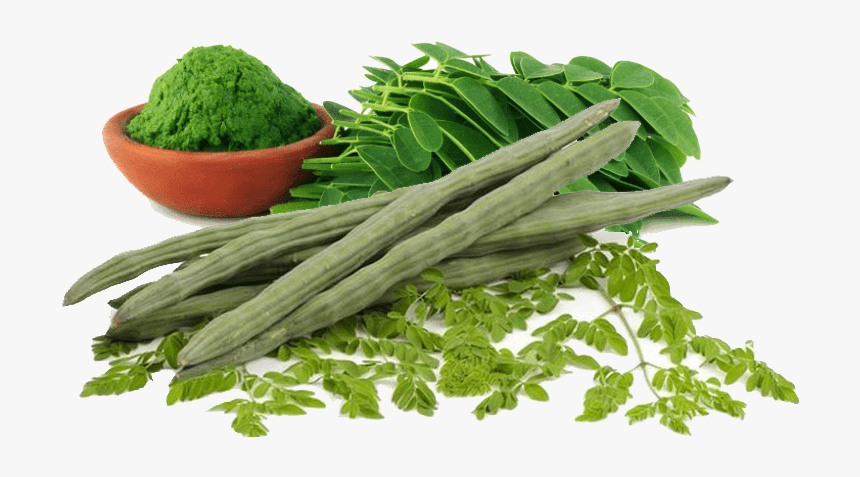
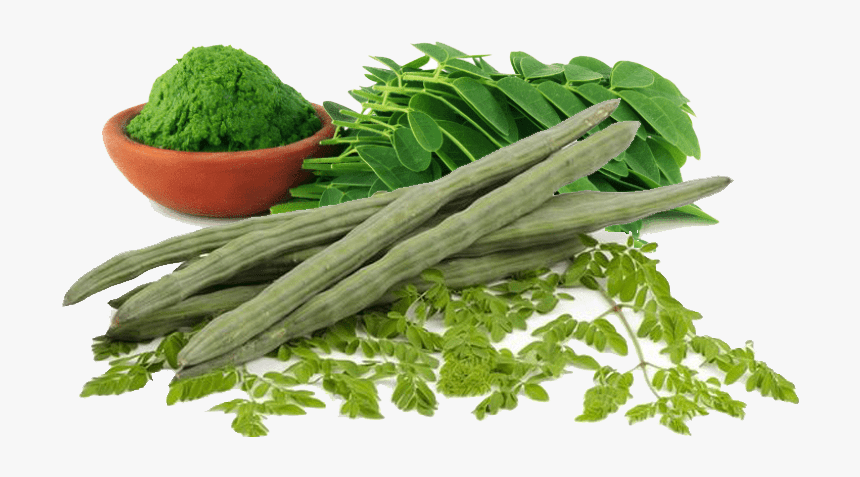
The term superfood describes a nutrient-rich food considered to be especially beneficial for health and well-being and Moringa is considered one of them. It is the superhero of the plant kingdom. It is native to the foothills of Himalayas but a surge in awareness about its benefits has increased it cultivation area as well. Moringa is being cultivated throughout India and in other tropical and sub tropical regions. India is one of the largest producer of moringa and its cultivation is rapidly increasing in Asia and Africa. The tree itself is a great package for mass cultivation. It grows really quickly, is drought tolerant and the most impressive thing about it is that each and every part of moringa is full of nutrients and can be used or consumed for various purposes.

With rising cases of COVID- 19 disease across the world, boosting the immune system has become a major priority for the people. Moringa is rich in Vitamins A, C, E, protein, iron, calcium, potassium, phytochemicals, and fibre making it a perfect aid in boosting one’s immune system.  

The Moringa tree, along with giving us vegetable, also provides medicinal value as well. Every part of the tree can be consumed; leaves and young fruits as food; and the seeds, bark, flowers, leaves and roots as medicine.

The leaves are highly nutritious. Once harvested and dried, the powder contains 30% protein, all essential amino acids, and have abundant levels of vitamins and minerals.

List of major nutrients Moringa contains many healthful compounds such as:

vitamin Avitamin B1 (thiamine)folate and ascorbic acid (vitamin C)
B3 (niacin), B-6B2 (riboflavin)calcium
potassium phosphorusiron zincmagnesium

Moringa has  many benefits and wide range of uses-  from health and beauty to helping prevent and cure diseases.

Benefits of Moringa-

1. Protecting and nourishing skin and hair

Moringa seed oil protects hairfall and keeps them clean and strong. It also contains hydrating and detoxifying elements, which also boost the skin and hair. Medically, it has potential to cure skin infections as well.

2. Treating stomach complaints and improves digestion

Moringa extracts might help treat some stomach disorders, such as constipation, gastritis, and ulcer. The antibiotic and antibacterial properties of moringa may help inhibit the growth of various pathogens, and its high vitamin B content helps with digestion.

3. Protecting the liver

Moringa appears to protect the liver against damage caused by anti-tubercular drugs and can quicken its repair process.

4. Preventing cancer

Moringa extracts contain properties that might help prevent cancer. It also contains niazimicin, a compound that suppresses the development of cancer cells.

5. Making bones stronger

Moringa also contains calcium and phosphorous in good quantity, which help keep bones healthy and strong. Moringa extract might also help in treating arthritis and may also heal damaged bones.

6. Treating diabetes and Asthma

Moringa helps to reduce the amount of glucose in the blood, as well as sugar and protein in the urine. This improves the hemoglobin levels in the body. Moringa may help reduce the severity of some asthma attacks and protect against bronchial infections. It has also shown to assist better lung functioning and breathing overall.

7. Protecting against kidney disorders

Moringa has high levels of antioxidants that might aid toxicity levels in the kidneys adnd reduce the risk of stone development in the kidney, bladder or uterus.

8. Reducing high blood pressure and improves cardiovascular system

Moringa contains isothiocyanate and niaziminin, compounds that help to stop arteries from thickening, which can cause blood pressure to rise. It also helps increase RBC count in the blood. The powerful antioxidants found in Moringa extract might help prevent cardiac damage and has also been shown to maintain a healthy heart.

9. Improves eye-sight

High antioxidents in Moringa help improving eyesight. Moringa may stop the dysfunction and dilation of retina and prevent the thickening of capillary membranes.

-Surbhit Godha

References-

  1. https://www.kindearth.net/the-health-benefits-of-moringa-the-superfood-of-superfoods/

2. https://www.ncbi.nlm.nih.gov/pmc/articles/PMC5745501/#:~:text=Moringa%20Oleifera%20leaves%20are%20the,disease%2C%20cancer%20and%20overall%20inflammation.

3. https://www.sciencedirect.com/science/article/pii/S1995764516307143

4. https://www.sciencedirect.com/science/article/pii/S2213453016300362

5. https://www.ncbi.nlm.nih.gov/pmc/articles/PMC58727

6. https://onlinelibrary.wiley.com/doi/epdf/10.1002/ptr.2023

Researchers in India develop cheap edible coating for apples to overcome cold chain challenges

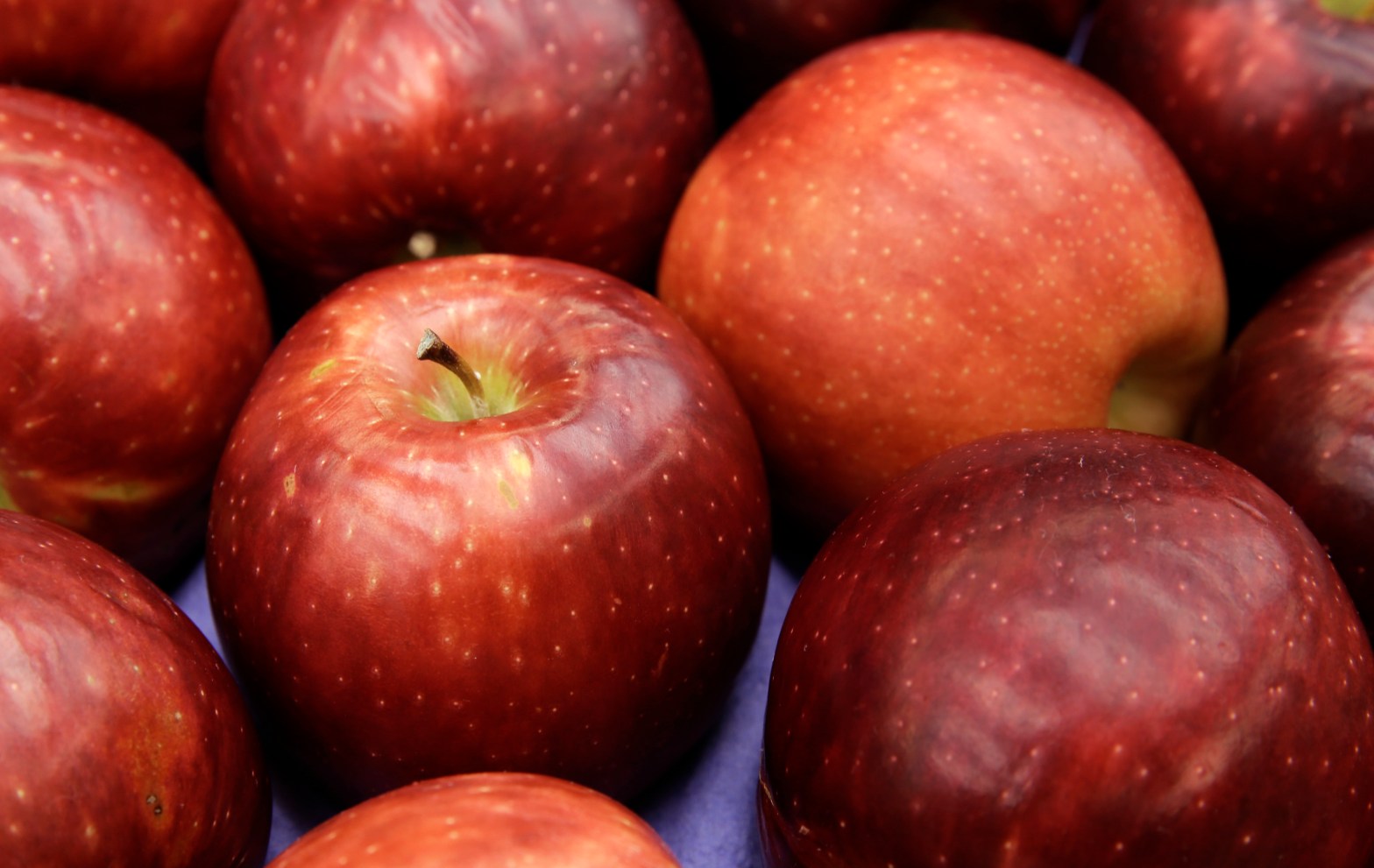
Researchers from National Agri-Food Biotechnology Institute (NABI) have developed a low cost polysaccharide-based coating from wheat straw and oat bran that, when sprayed on the surface of apples, prevents their decay during storage and transportation.

Apples are picked in the month of September- October in the himlaliyan region of India. From there, they are supplied throughout the country for the whole year. Apples are one of the most common fruits with high storage capabilities in cold storages. Unfortunately, India has a very scarce and disrupted cold chain network due to which apples face issues of post harvest losses during the storage and transportation.

There are polymer based edible coatings available in the marker which are extensoively used but cannot efficiently check moisture loss from apples during storage and transit. And the animal-based lipid coatings are harmful to human health.

In order to invent an efficient and safe coating, scientists from the National Agri-Food Biotechnology Institute in Mohali used wheat straws (waste left after wheat cultivation) and oat bran to develop a composite material using polysaccharides isolated from them.

The researchers applied the coating on fresh apples and documented the results of its effects based on various parameters and compared them with the results from untreated apples and apples treated with polymer coatings. They found that the new coating significantly reduced the weight loss, respiration rate, fruit-softening and fruit-ripening processes and colour detoriaration as compared to the other apples during a 30 days storage period.

The formulation helped retain the apples’ firmness and prevented the loss of volatile compounds that contribute to apples’ distinct aroma. The coating is non-toxic to specific human cells. It remarkably reduced fruit decay by limiting disease incidence.

The researchers say that the formulation has the potential to be an alternative to animal-based lipid coatings for improving the quality and post-harvest storage life of apples.

Links-

  1. https://pubmed.ncbi.nlm.nih.gov/32057861/
  2. https://indusdictum.com/2020/02/16/nafbi-scientists-develop-edible-coating-materials-to-improve-shelf-life-of-fruits-vegetables/
  3. https://www.sciencedirect.com/science/article/abs/pii/S0144861719300025?via%3Dihub#! (ACCESS REQUIRED)
  4. https://www.foodpackagingforum.org/news/researchers-develop-inexpensive-edible-coating-for-fruits

–Surbhit Godha

–19 July 2020

THE CASE OF TOMATOES ON ROAD

27 April 2020

I decided to write this blog on tomato wastage and spoilage as it motivated me to start my venture- Vardhman Agrofresh Products, where we will procure directly from the farmers and process the fresh tomatoes to make tomato puree and sun-dried tomatoes. This idea came to my mind after reading about farmers throwing their tomatoes due to low prices in India. I found in my research that low and fluctuating prices are mere symptoms and the root cause were pre and post-harvest losses, poor storage methods among others. Based on the problems, I have come up with an extension strategy for Vardhman Agrofresh Products in Bhopal by which the post-harvest losses can be reduced and the prices can be stabilized. For my explanation, I have considered a situation which occurred in Madhya Pradesh, India in 2017-2018.

THE SYMPTOMS

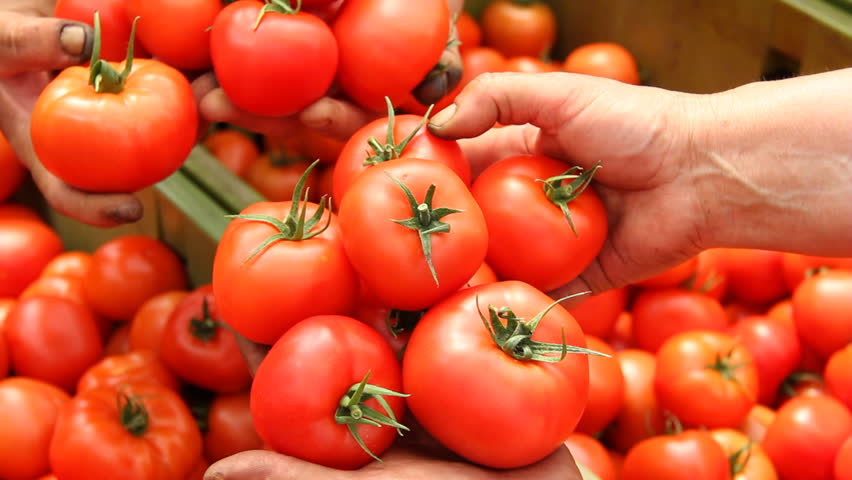
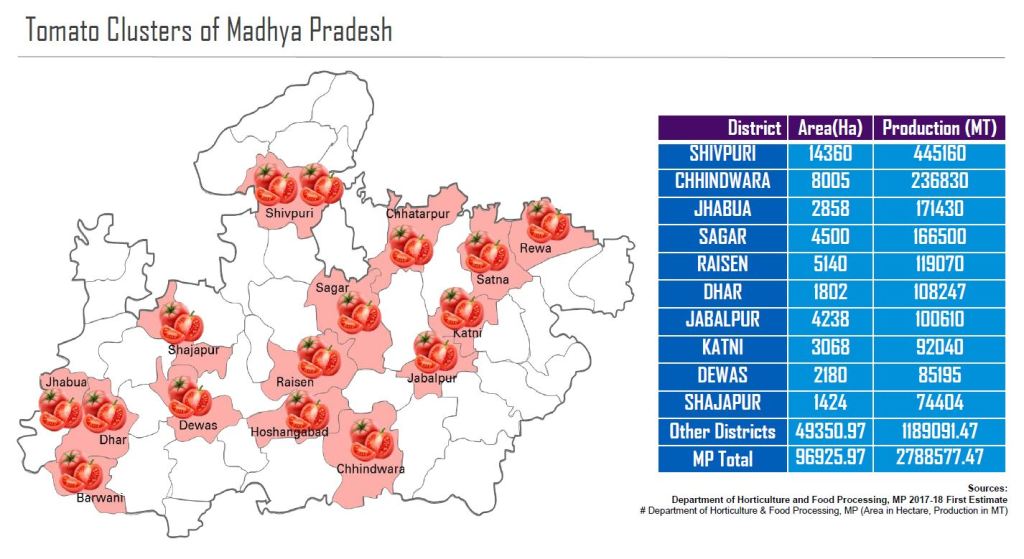
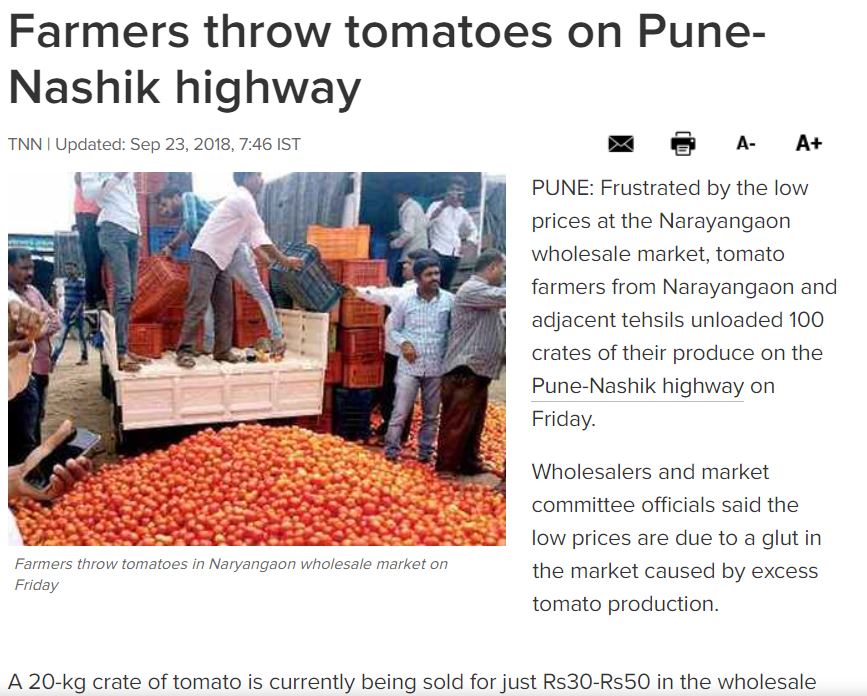
Madhya Pradesh, India is a key producer of tomatoes in India. On average, MP produces 26.5 Lakh tonnes of tomatoes. But, the high yields need to be supported by the good infrastructure, policies and market place for sustained sales. India in general faces scarcity in these departments. Like, one of the cases, MP had a bumper tomato yield in April 2018 leading to a glut in the market which caused tomato prices to plummet to Rs 1-2 in the wholesale market, hitting the farmers hard for the third time in as many years. Due to plummeting prices, the tomato growers had to face losses as they couldn’t recover the cultivation and transportation costs. So, some farmers threw their produce on the roads (some did it for the protest, others did it as they didn’t have storage) while others who tried storing the tomatoes for longer periods had to face severe post-harvest losses forcing them to throw away their produce out of their fields. What’s more worrying is that the retail prices during the same period were around Rs10 which means the middle agent- the wholesale traders had monopoly over the growers due to imbalance in supply and demand. Surprisingly, just a few months earlier, the wholesale prices of the tomatoes during September- October 2017 had jumped to 50-70 Rs per kg due to a shortage of tomatoes in the market.

THE CAUSES

These extremely low prices during the April month were caused due to the excess cultivation in tomato producing belts leading to surplus supply. The market was flooded with tomatoes as farmers didn’t have access to good storage infrastructure, there was lack of education and information about the number of tomatoes being grown, lack of knowledge and technology about the processing of tomatoes. Another major cause which is behavioural is- the herd mentality. After the sudden increase in prices in 2017, many farmers started cultivating tomatoes for the next season in order to sell their tomatoes at such high prices. This led to bumper yield in 2018, hence crashing the market which eventually led to post-harvest losses. Similar situations have occurred with onions, garlic and other crops as well over the years where farmers have had to throw their harvested produce due to the aforementioned reasons. This is a reoccurring pattern and needs to be addressed.

THE PROBLEMS

There are many social, economic and behavioural factors that lead to post-harvest losses and hence heavy fluctuations in the tomato prices.

Due to big family trees, the land gets divided among the farmer’s family members over time leading to the division of land into small pieces for cultivation. Therefore the advanced farming methods become unviable to these farmers leading to below-par yield and lower-income. Therefore they cannot afford good storage infrastructure, hence causing PHL. It is a known fact that pre-harvest and cultivation practices decide the post-harvest shelf life of the produce. Lack of knowledge and access to proper technology lead to inefficient pre-harvest, and harvesting practices. This affects the shelf life of the products and their storage capabilities.

Due to inadequate economic policies in place, the perishable fruits and vegetables face heavy price fluctuations throughout the year leading to a slump in the prices during harvest season. For eg. Due to the absence of a minimum selling price in mandis, the wholesale buyer community uses their purchasing power to keep the prices as low as possible as happened in the case of tomatoes and onions. This middle agent in the supply chain creates obstacles for farmers in getting a fair price for their harvest. The farmer remains stressed economically and has to take loans in order to keep farming and feed their families. This vicious cycle repeats itself, and the farmers are unable to improve his livelihood, the farming methods and storage infrastructure. Hence, they are forced to sell at lower prices during harvest season or incur post-harvest losses if they decide to store the harvest.

As mentioned earlier, herd mentality is also a problem which needs to be addressed. This can only be done by educating the farmers about the markets, value addition of extra and sub-par produce, better harvesting practices etc. But there are several issues in educating them as well. The farmers do not relate to people who haven’t practised farming themselves and therefore are not willing to learn new practices from them. An economic problem occurs when we focus on subsistence marketplaces and farmers. Their focus is on short term goals. It may even mean the next meal for some of them or similar. To them, the idea of storing the product for longer periods would make sense, theoretically, but might not be a viable option. Behavioural and economic factors are the toughest to address as it is hard to change the mentality of people and teach them good practices.

THE SOLUTION- EXTENSION STRATEGY TO REDUCE POSTHARVEST LOSSES

The cultivation process in our country is highly matured one with yields increasing with each passing year. Where we lack is in the postharvest management of the harvested crops which lead to the imbalance in the supply chain. Efficient extension strategy is required to support the supply chain in order to reduce the losses and stabilize the prices.

In order to implement the extension strategy for preventing PHL, local governments should identify the clusters for the production of different types of fruits and vegetables and provide incentives to the farmers for growing those crops and focus on planned cultivation there. The cultivation data should be collected from the local bodies, local FPOs etc so that harvest projections can be created.  For this, collaboration with farmer’s producer organizations (FPOs) is necessary as thousands of farmers are connected with them. They would be the best channel to spread awareness about planned cultivation in every region and will be the one point of contact for information. The FPOs will also help the subsistence farmers to follow better pre and post-harvest practices which will increase their income. We are tying up with FPOs to supply us witht the raw material which can be stored in our state of the art cold storage facility and will be used to process into tomato puree as the demand arises.

Government support is necessary for making large scale changes therefore policies should be made to promote processing clusters, either private or government-owned in these clusters and should be given operational incentives along with storage infrastructures like silos for grain storage and controlled atmosphere cold for storing fruits and vegetables. A lot of work is being done by the government in this regard with multiple food parks, processing clusters coming in association with MoFPI.   Another step that can be taken is developing a portal for FPOs to directly connect with the food processing companies to whom they can sell their various products. This will reduce dependency on the middle-man- wholesale trader.

There are many models like this which have been successful in the private sector. Like SULA wines have carried similar actions near their vineyard where they have got into contract farming with the local farmers for growing grapes exclusively for SULA in the Nashik region. This way even the subsistence farmers are able to make a livelihood by selling their produce at fixed rates to SULA. This model can be a success if the farmer feels safe, therefore the payment method needs to be direct and made upfront/ upon procurement.  

 Another way through which the prices can be stabilized is through crop diversification. The FPOs should plan for multiple crop cultivation in their region in order to diversify their range of products with one being primary for eg. farmers can grow root crops along with tomatoes. By doing this, the supply chain of tomatoes won’t be burdened with surplus produce during harvest season if the farmers are made aware of the different lucrative crops which can be grown as alternatives to tomatoes. It will be difficult to convince a farmer to cultivate other crops but through the medium of videos, testimonials of other successful farmers (who are growing the alternative crops) they can be taught, and making them interact with other successful farmers will give them confidence.  

The government should also look into developing a minimum selling price (MSP) structure for perishable crops as this will help reduce the economic stress on farmers and reduce the purchaser power ( wholesale traders) who hold a monopoly over these farmers.

Therefore, by developing multiple branches at the end of the supply chain and putting measures at the beginning of the supply chain, the PHL can be controlled as the whole cultivation process will be in control. 

— Surbhit Godha

Managing partner, Vardhman Agrofresh Products

Post Harvest Losses and its impact on ecology

Both quantitative and qualitative losses occur in horticultural crops between harvest and consumption. Fresh fruits and vegetables accounted for nearly 20% of consumer and foodservice losses, which are due to product deterioration, excess perishable products that are discarded, and plate waste. In developing countries, the losses are expected to be around 30% of the total produce every year.

Factors affecting food losses-

There are biological as well as socio-economical factors affecting these losses. The biological factors can be reduced by addressing the socio-economic factors like better handling, storage infrastructure, cold chain transportation etc, but it requires the administration’s attention and better policies to reduce the losses.

As an example, the following table gives estimates of the quantitative losses of rice for each stage in the the post-harvest system in Southeast Asia.

STAGELOSSES
Harvest1-3%
Handling2-7%
Threshing2-6%
Drying1-5%
Storage2-6 %
Transport2-10%
Total10-37%

 Source- http://www.fao.org/3/t0522e/T0522E04.htm

BIOLOGICAL AND ENVIRONMENTAL CAUSES OF LOSSES

Biological losses include deterioration due to respiration rate, ethylene production, compositional changes leading to the deterioration of colour, texture, flavour, and nutritive value, mechanical injuries during handling, water stress, etc. Other losses include sprouting, rooting and physiological disorders during growth making them unappealing to the consumers.

These major biological losses depend on environmental factors like temperature, humidity, exposure to oxygen, CO2 and ethylene and sanitation during storage. Loss of weight occurs mostly due to moisture loss which can reduce the weight of the product over a period of time, leading to lower-income to the farmers for their harvest.

SOCIOECONOMIC FACTORS

Inadequate marketing system

Farmers can produce large quantities of good-quality fruits, grains and vegetables, but, if they do not have a dependable and fast means of getting such commodities to the consumer, losses will be extensive mostly due to biological losses mentioned earlier.

Lack of required machines and tools and expensive machinery

In developing countries the majority of the farmers are small scale farmers and the high tech machinery are just not viable for the amount they harvest. Moreover, the machines used in harvesting and post-harvesting are very expensive and small scale farmers cannot afford them. There are measures taken by people in this regard where cooperatives buy the machines and rent them to the farmers during harvest seasons, but the maintenance of these machines are expensive as well.

Poor storage infrastructure and transportation

The developing countries are facing challenges of constructing advanced storage solutions using Controlled atmosphere technology in order to store the harvest especially perishable fruits and vegetables. This is due to the extensive cost of these type of stores and lack of knowledge among the farmers who still prefer the traditional storage methods even though they lead losses as much as 30% in a short period of time.

Transportation in a developing country like India creates a major issues, especially for fruits and vegetables as a commodity like  apples has to be transported from Himachal Pradesh, Uttarakhand to metros in the south like Chennai and Bangalore. These fruits have to cover thousands of kilometers and due to lack of cold supply chain in India (mostly because of the cost and economics of transportation) these perishable fruits like many others face a lot of biological as well as physiological losses.

Lack of information and education

Another factor influencing the post-harvest losses is a lack of education of farmers who generally have a herd mentality. New technology and better scientific methods are very hard to explain to this crowd especially in the rural areas of the developing countries.

STRATEGIES FOR REDUCING POSTHARVEST LOSSES

There are many strategies and technologies available which are being used to reduce the food loss at each stage in the supply chain. But, there are still gaps to be filled and following the guidelines for better practices can significantly reduce the losses.

TABLE 1: STRATEGIES FOR REDUCING POSTHARVEST LOSSES FOR GRAINS AND CEREALS
HarvestingThe crops should not be harvested too early as it incurs a
loss in nutritional and economic value. Quality can only be
maintained if the harvest is done at the proper maturity
stage and at peak quality.
DryingGrains should be dried in such a manner that damage to
the grain is minimized and moisture levels are lower to
oppose mold growth during storage (usually below 13-15%
). The harvested crop may be dried in the yard or in a crib.
ThreshingFor some grains, like millet threshing, may be delayed for
several months after harvest stored in open cribs.
Some other small scale machines can be used for like
maize sheller or Rice mechanical threshers.                                                                                                                                                                                                                                                                                                                                                                                                                                                                                                                                                                                                                                                                                                                                                                                                                                                                                                                                                                                                                                                                                                                                                                                                                                                                                                                                                                                                                                                                                                                                                                                                                                                                                                                                                                                                                                                                                                                                                                                                                                                                                                                                                                                                                                                                                                                                                                                                                                                                                                                                                                                                                                                                                                                                                                                                                                                                                                                                                                                                                                                                                                                                                                                                                                                                                                                                                                                                                                                                                                                                                                                                                                                                                                                                                                                                                                                                                                                                                                                                                                                                                                                                                                                                                                                                                                                                                                                                                                                                                                                                                                                                                                                                                                                                                                                                                                                                                                                                                                                                                                                                                                                                                                                                                                                                                                                                                                                                     s
WinnowingThere is little incentive for smallholders to provide
well-cleaned grain for marketing; as a result profits from
sales are limited.
StorageStorage plays a key role in reducing losses, therefore they
should be constructed in such a way as to provide dry, well-
vented conditions allowing further drying in during storage,
provide protection from rain and groundwater; and are
sealed to protect the crop from rodents and birds and
temperature fluctuations.
TABLE 2: STRATEGIES FOR REDUCING POSTHARVEST LOSSES FOR FRUITS AND VEGETABLES
HarvestingPre-mature and improper harvesting may lead to early infestation with molds and viruses leading to rotting. If harvesting operations are correctly undertaken there is greater scope to improve shelf life. Proper tools and equipment along with trained workers for harvesting should be a priority prevention of food loss.
HandlingBreaking of the skin also stimulates physiological deterioration and dehydration. Careful handling significantly reduces post-harvest losses.
Sorting and cleaningSorting/ grading along with appropriate packaging and storage will extend shelf life, maintain wholesomeness, freshness, and quality of the fruits and vegetables.
PackagingUsing ventilated containers for packaging is a very important factor in cutting down losses in these crops during harvesting, transportation, marketing, and storage as ventilation doesn’t allow the foul smell to settle in the packaged items.
StorageShelf life can be extended by maintaining a commodity at its optimal temperature,   relative humidity and environmental conditions like in CA chambers. It’s a must to store only high-quality produce only as the damaged ones can rot all the stored items.

Effect of food losses to food security and environmental sustainability

Food security means when all people, at all times, have physical and economic access to sufficient safe and nutritious food that meets their dietary needs and food preferences for an active and healthy life. These four components are a must in order to attain food security-

·        Physical availability of food

·        The economic and physical access to food,

·        Food utilization

·        Stability of each of these three over time

Now, the food that we produce today, suffers approx. 30% loss avg every year. And with the earth population estimated to reach 9 billion by 2050, the requirement for food is only going to increase. Therefore, the need for the more cultivated areas will increase, which is not possible. Therefore, measures need to be taken now to increase the productivity of the land in order to feed the increasing population. But, increasing productivity is not easy as it increases the stress on the land, environment and ecological system as a whole. Right now, almost 70% of the total consumed freshwater is being used for agriculture and in order to increase land productivity, more water will be required. The water footprint of the agriculture sector is the highest and if we calculate the water footprint of the food loss per year, then it surpasses the water footprint of the USA and China. Now, we know that most of the high population areas are facing scarcity of water, be it metros in India, the USA, China or any other place. Therefore, the need is to reduce the postharvest losses mentioned earlier in order to attain food security.

In India, agriculture is still primitive due to a lot of socio-economic reasons like large families of farmers has led to a very small land bank for next-generation farmers. A high percentage of farmers in India today are small scale farmers. This has led to a lot of economic issues in the agriculture sector. This, in turn, has kept agriculture on a primitive level as new technologies are not viable on these small scale farmlands. These small farmer’s earnings have taken a hit as well and therefore they do not have access to good storage infrastructure. Due to the low income, they are unable to purchase the right tools and types of machinery required for harvesting, drying of grains, cutting of roots, fruits, and vegetables, storage and transportation. This leads to poor quality products at a very early stage of the supply chain and hence they don’t fetch good prices in the market and the whole cycle keeps repeating.

Similarly, due to the lack of knowledge and storage infrastructure support, the farmers are forced to sell their products just after harvest, leading to surplus supply and lower prices in the market. The proper method of storing the harvested crops is in cold storages but they are expensive to build and although government subsidies are available, it is very hard for a farmer to develop such a storage unit on is own. Therefore, the farmers tend to store their harvest in a traditional manner, leaving their produce susceptible to pest, rodents, moisture, and any other environmental factors.

Transportation has been figured out as a key component in the supply chain and in food loss. Nearly 7-10% of grains are destroyed during transportation due to lack of good handling techniques, poor transportation methods and poor harvesting methods lead to rodent attacks while on the road.

These issues have a direct impact on the environment as well.

There is not enough available water for human resources and to meet the demands for the growing economics.  And that about the irrigation industry and domestic uses all including that water table, the groundwater table is depleting in every country. For eg., A cup of coffee takes up about 208 liters of water to make if one includes all the elements involved in the process. Similarly, there are many other crops with very high water footprints like rice, avocados, etc. And due to poor irrigation methods and lack of knowledge among farmers, the wastage of water has been a matter of concern. Moreover, the water footprint of each crop increases as it moves up the supply chain, and if the harvested crops are damages and lost then that amount of water is also wasted. This is a great concern in developed countries wherein plate wastage is very high, which leads to a high water footprint on the crops.

Water is the key to life and at this rate, all the urban areas where a high amount of population resides will face a shortage of water. Therefore, in order to increase environmental sustainability, measures need to be taken by the government and policymakers to improve the irrigation systems, develop an education structure for the farmers to teach them about the implications of their actions. Better storage facilities, cold storages should be developed and maintained by the governments in the rural areas where farmers can store their produce on a rental basis. This will reduce a lot of postharvest losses and also reduce the stresses on the cultivated land.

-SURBHIT GODHA, 5 APRIL, 2020

References-

1.      https://www.actahort.org/members/showpdf?booknrarnr=682_296

2.      http://www.fao.org/3/t0522e/T0522E04.htm

3.      https://www.actioncontrelafaim.org/wp-content/uploads/2018/01/technical_paper_phl__.pdf

4.      POST-HARVEST LOSSES AND STRATEGIES TO REDUCE THEM, Victor Kiaya, 2014, pg.1-25. URL- https://www.sciencedirect.com/topics/agricultural-and-biological-sciences/postharvest-losses.

5.    Food and Agriculture Organization of the United Nations. (2013). Food wastage footprint: Impacts on natural resources.

Growth in ‘Ready to eat’ food products in metro cities

I was in Bangalore for the past few days and I saw quite a few ready to eat products that are only available in these big cities like Bangalore, Mumbai, Delhi etc. This is due to the fact that high number of people living in these cities are working late hours and do not want to spend a big chunk of their free time in cooking. Even married couples are inclining towards ready to eat, easily available food for their meals.

After working for long hours and having spent long time in the daily commute, people don’t like spending time on cooking. They would rather order in or have ready-to-eat meals so that they can relax. That is why we are seeing startups of different types coming through. Mostly they are the delivery start ups like uber eats, zomato , swiggy etc which simply provide the delivery services from different restaurants and hotels. But there is a huge growth in the market for ready to eat, processed food as well with Haldirams and many others increasing their outputs to meet the market demands.

Along with this, there is a also growth in the market for pre-processed raw material like fresh cut veggies, tomato paste, puree where the consumer takes minimal time to prepare the dish as the tedious job of cutting has already by done. All it needs is mixing. I believe with more number of people adapting a healthy lifestyle, consumers will switch from today’s trend of consuming fully packaged ready-to-eat food to preparing their own meals by ordering the pre cut veggies. Bigbasket has seen a great potential in this field and have started their own section of pre-cut veggies which they deliver to the customer’s doorsteps. Startups like Vegwala which operates in Bangalore offers free delivery and provides the pre-cut boxes veggies and fruits to its customers .  Online retailers are constantly innovating as more people log on to the internet to source their daily bread, cheese, veggies and fruits. The fresh produce market of India is over $20 billion per year, and is dominated by the un-organised sector like mandis and small retail shops. But this sector is witnessing a digital transformation. With more consumers becoming conscious of quality, looking for standardised products, new companies have to focus on their quality- both in the products they deliver and the service quality. With so many startups coming through and major players entering the market, people have started to enjoy the convenience of online grocery shopping.

You can find my contact information on this page- https://vardhmanagrofresh.food.blog/contact/

Welcome to my blog

Hello everyone. Myself Surbhit from Bhopal, MP , India. I am a masters mechanical engineering. Having completed my studies from The University of Manchester, UK, I had to head back to India due to family reasons. Once I came back, I read this constant news of fresh harvested crops like tomatoes, onions, carrots etc being thrown away by the farmers in India due to low selling price. This has been an issue for a long time now. The fresh F&V market has been highly volatile in terms of the rates. Upon research I discovered this was mainly due to poor storage conditions which force the farmers to dispose off their harvest as soon as possible. Due to which I decided to start a blog in order to spread the word about good practices about storage of F&V products as well the potential of food processing using the harvested crops.

Living as a student forced me to buy canned pre-processed products in order to save time and money. I used to regularly buy canned tomatoes to prepare my gravy, even bought pre-cut vegetables when I felt lazy. This helped me when I moved back in India as I saw a relatively untapped market in India and an abundance of raw material. News of farmers throwing their crops because of low rates made it clear to me that I need to enter this market. Not because it will fetch me great profits (which It might), but the farmers will be able to sell directly to me without worrying about the rates and the fuss of selling in the mandis. Moreover, it will help them generate a stabilized income for their families.

Therefore, I decided to start my own company- Vardhman Agrofresh Products where I am establishing a cold storage and a tomato processing facility in order to support the agriculture in the state.

And with the help of this blog I want to address the issues, innovations, trends pertaining to this volatile sector and explain it to people how processing of the surplus crops can help regularize the market as well as generate income.

You can find my contact information on this page- https://vardhmanagrofresh.food.blog/contact/

Design a site like this with WordPress.com
Get started